
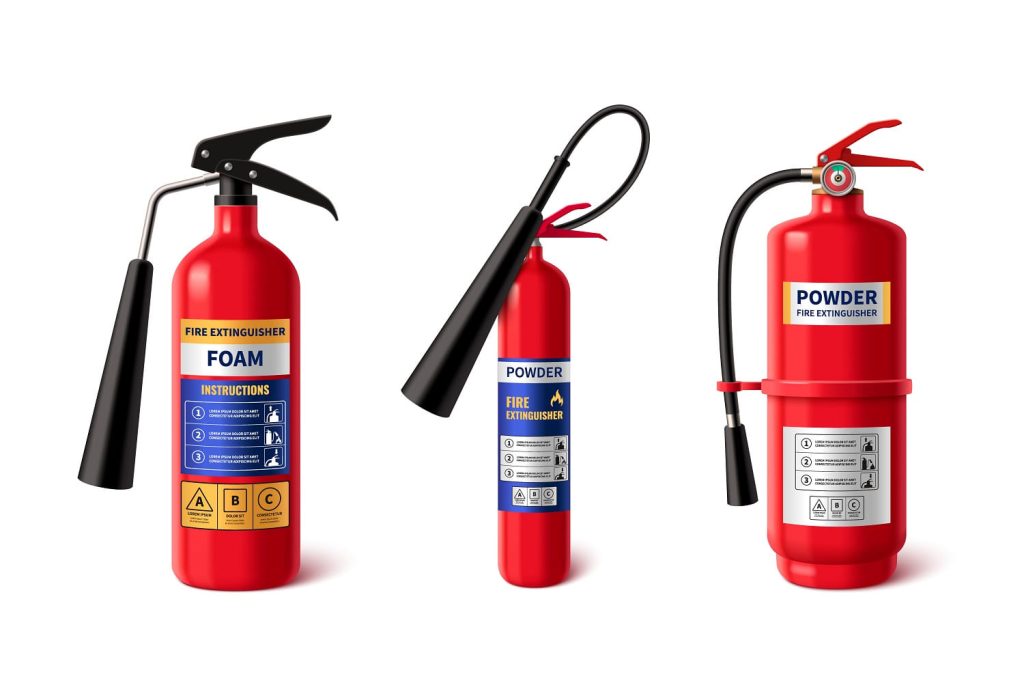
Every year, thousands of fires cause devastating property damage and loss of life many of which could have been controlled with a simple fire extinguisher. Having the right fire suppression equipment on hand isn’t just smart; it’s often legally required. Whether you’re running a small office or managing a large facility, understanding fire extinguishers can make all the difference. For compact spaces or vehicle safety, a 1kg dry powder fire extinguisher offers portability without sacrificing protection. Here’s what you need to know about choosing and using fire extinguishers effectively.
Understanding Fire Extinguisher Types
Not all fire extinguishers are created equal. Different fires require different suppression methods:
- Class A: For ordinary combustibles like wood, paper, and fabric. Water or foam extinguishers work best.
- Class B: For flammable liquids such as gasoline, oil, and grease. Dry powder or CO2 extinguishers are ideal.
- Class C: For electrical fires involving wiring, appliances, or equipment. Never use water—opt for CO2 or dry powder.
- Class D: For combustible metals in industrial settings. Specialized dry powder extinguishers are required.
- Class K: For kitchen fires involving cooking oils and fats. Wet chemical extinguishers are designed for these high-temperature fires.
- Many modern extinguishers are multi-purpose, rated for ABC fires, making them versatile for most workplace scenarios. Check the label to ensure your extinguisher matches your specific fire risks.
Choosing the Right Size and Placement
Fire extinguishers come in various sizes, typically ranging from 1kg to 9kg. Larger units provide more suppressant but can be heavy and difficult to maneuver during emergencies.
- For offices and small businesses: 2-4kg extinguishers offer a good balance of capacity and portability.
- For vehicles or tight spaces: Compact 1kg units fit easily in cars, boats, or storage closets.
- For warehouses or factories: 6-9kg extinguishers provide extended discharge time for larger fires.
Placement is equally critical. Install extinguishers:
- Near exits for easy evacuation access
- In high-risk areas like kitchens, server rooms, or workshops
- At maximum 75 feet apart (per NFPA guidelines)
- At accessible heights (not too high for shorter individuals)
Mark locations clearly with signage, and ensure paths remain unobstructed.
Proper Maintenance and Inspection
A fire extinguisher is only useful if it works when needed. Implement these maintenance practices:
- Monthly checks: Ensure the pressure gauge shows “full,” seals are intact, and there’s no visible damage.
- Annual professional inspections: Certified technicians should examine internal components and recharge units as needed.
- Replacement schedule: Most extinguishers last 5-15 years depending on type, but discharge or damage requires immediate replacement.
Keep a maintenance log documenting all inspections and services. This proves compliance during safety audits and insurance reviews.
Training Your Team to Use Fire Extinguishers
Owning a fire extinguisher means nothing if no one knows how to use it. Train employees using the PASS method:
- Pull the pin to break the tamper seal.
- Aim the nozzle at the base of the fire, not the flames.
- Squeeze the handle to release the suppressant.
- Sweep side to side until the fire is out.
Conduct hands-on training sessions annually. Remind workers that fire extinguishers are for small, contained fires only if flames spread or smoke becomes thick, evacuate immediately and call emergency services.
Conclusion
Fire extinguishers are affordable insurance against catastrophic losses. By selecting the right type, maintaining equipment properly, and training your team, you create a safer environment for everyone. Don’t wait for an emergency to discover your fire safety plan has gaps act now to protect your people and property.